- Home
- About Us
About Us
- Products
Products

- Application Industry
Application Industry

- Services
- Cases
- Blog
Blog

- Contact Us


- Default Language
 EN
EN RU
RU ES
ES DE
DE EL
EL IT
IT JA
JA KO
KO PT
PT ID
ID SR
SR UK
UK VI
VI TH
TH TR
TR MS
MS BE
BE AR
AR
Gardening & Landscaping gloves
Introduction
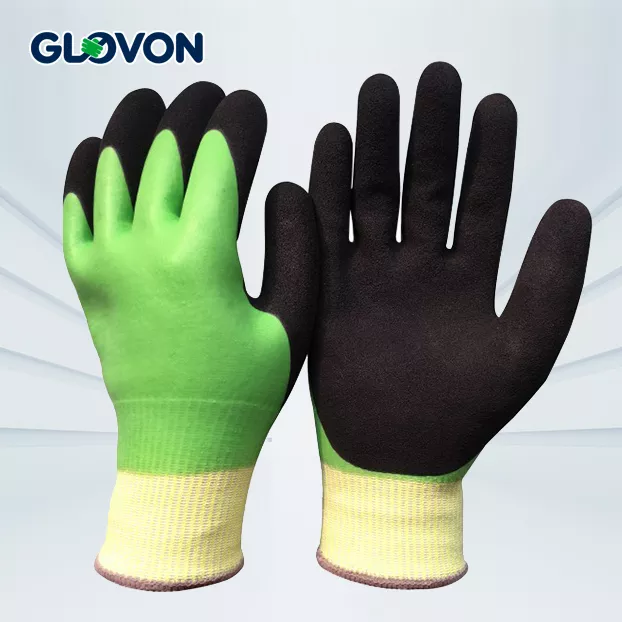
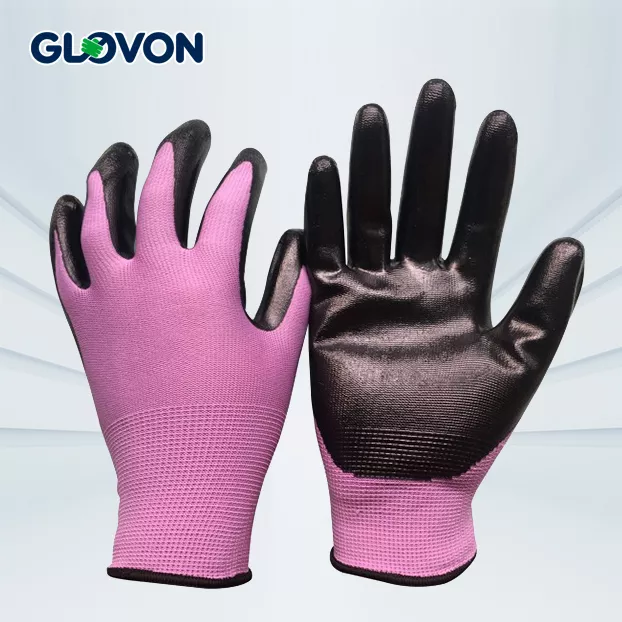
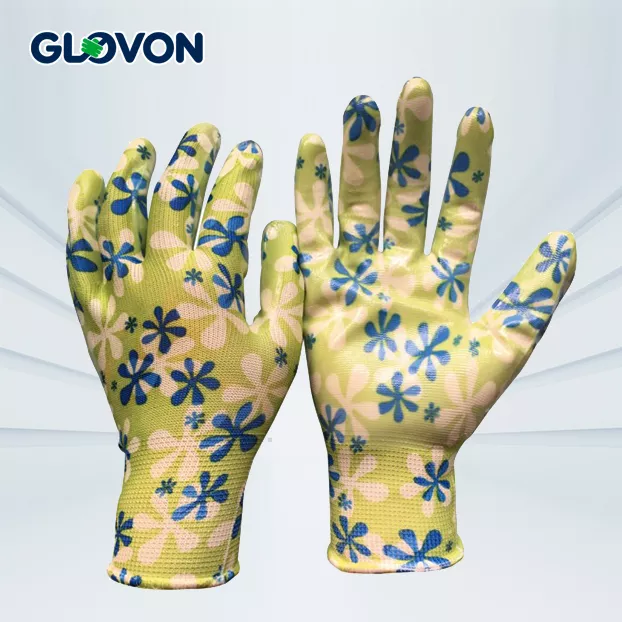
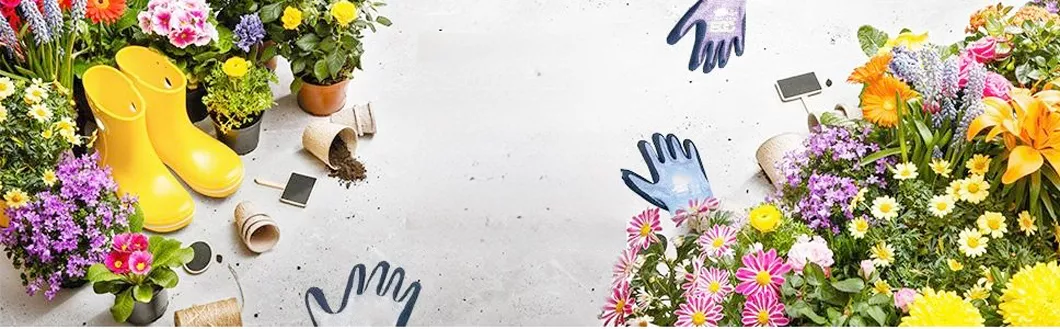
1.Garden gloves, as a basic labor protection glove, require gloves to have haracteristics such as flexibility, softness, and puncture resistance. They are not only used to keep your hands clean; They protect you from thorns, sharp rocks, stinging insects, and skin irritating sap, so we offer you more glove categories for easy selection.

2.Lightweight Cotton (The Light Duty)
What they are: Simple, breathable woven cloth gloves, sometimes with tiny rubber dots on the palm for grip.
Best for: Basic, dry yard work like raking leaves or sweeping the patio.
Why they're great: They are cheap and easily machine-washable, though they offer zero protection against water, mud, or sharp thorns.
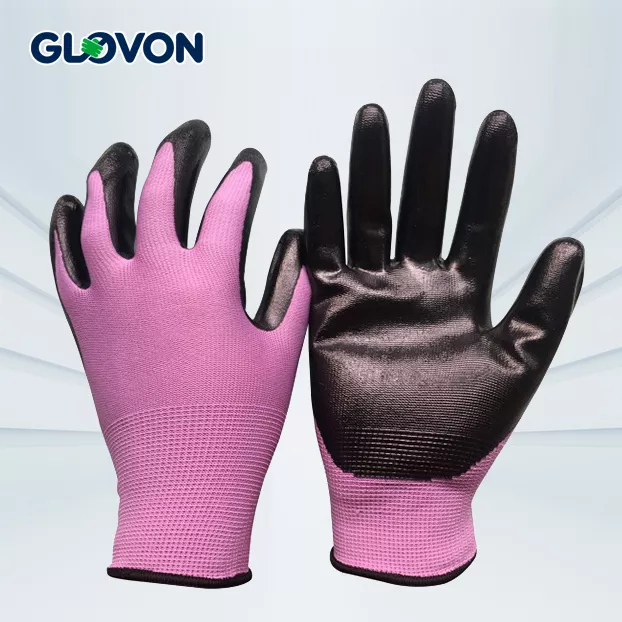
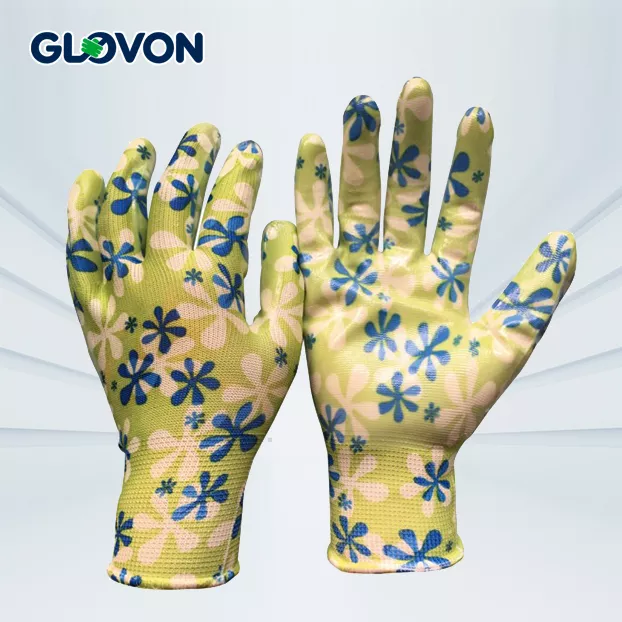
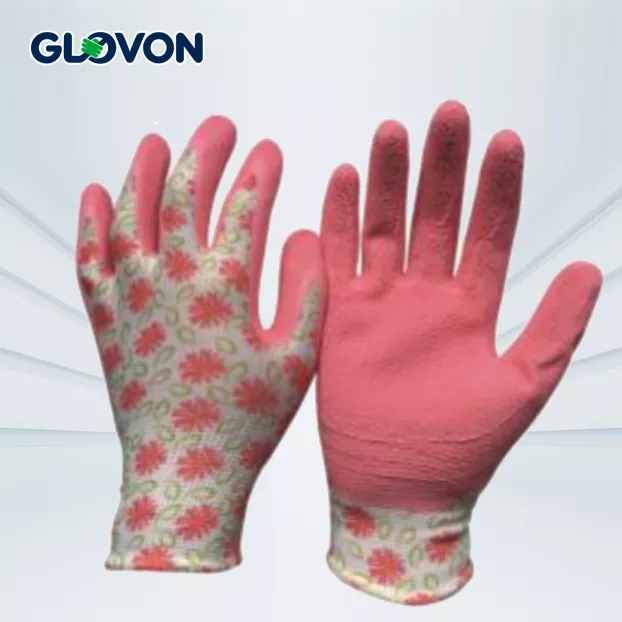
3. Garden gloves recommend
Reference photo | Liner | Coating | Dipping | Size | Color custom | |
1. | | 13gauge/ 15gauge/ HPPE |
Smooth nitrile | Palm/ Half/ Full |
6-11# |
yes |
2. |
|
13gauge/ 15gauge/ HPPE |
PU |
Palm |
6-11# |
yes |
3. | |
13gauge/ 15gauge/ HPPE |
Foam latex/ Crinkle latex |
Palm/ half |
6-11# |
yes |
4. |
|
13gauge/ 15gauge /HPPE |
Sandy latex coating |
Double dipping |
6-11# |
yes |
Etc. | ||||||
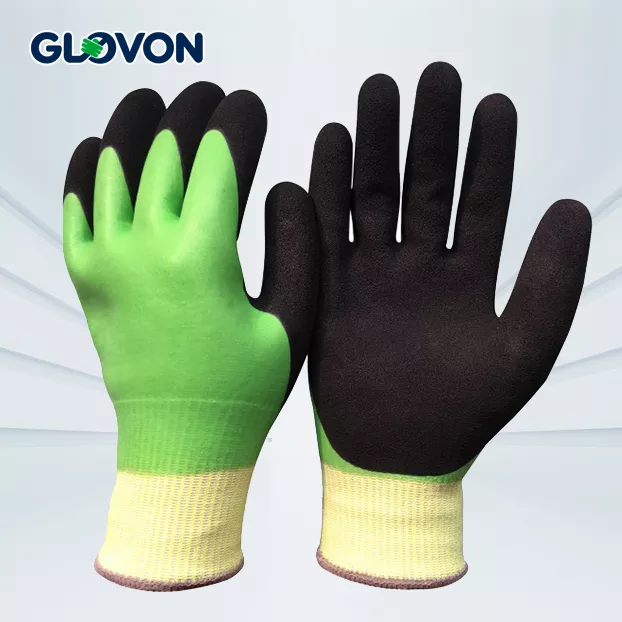
4. Key points for purchasing garden gloves
Before looking at colors or brands, think about what you will be touching most often:
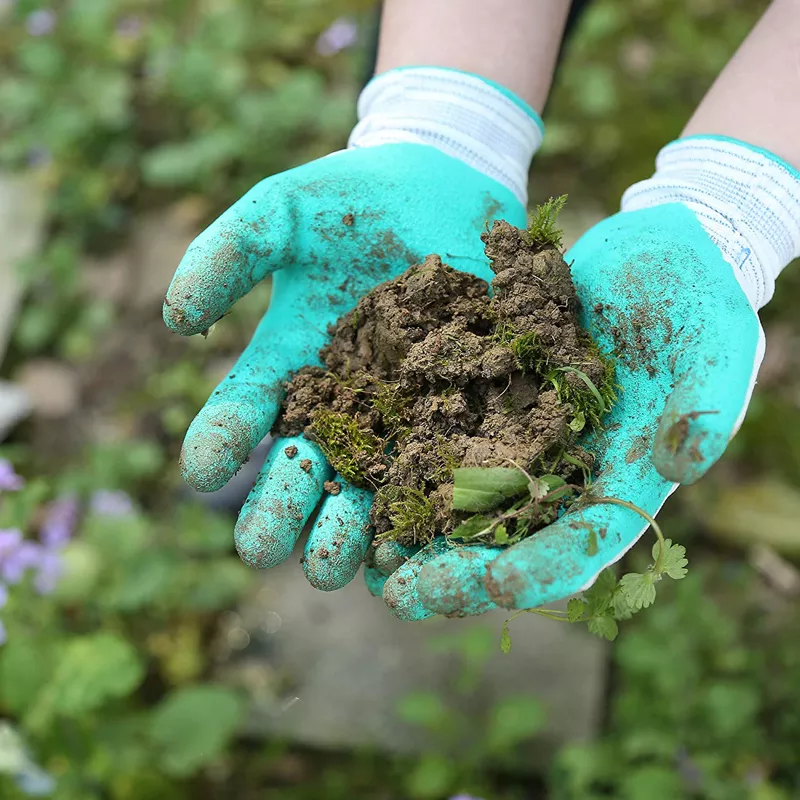
For pulling weeds & wet soil: Look for nitrile-dipped or latex-coated fabric gloves. They keep water out, grip well, and let you feel small roots.
For thorns & heavy lifting: Opt for leather (goatskin or cowhide). If you specifically handle roses or berry brambles, make sure they have a long gauntlet cuff to protect your forearms i
For light tasks (raking/sweeping): Simple, breathable cotton/nylon is fine, cheap, and easily washable.
·

Related Products
Related News
View136Times
About Us
products
Business
News
Contact Us
Service Hotline:0086-17888367167WhatsApp: +8617888367167
Email: veraglovon@zohomail.cn
Address: No. 249 Tiejueshan road ,huangdao District, Qingdao City,shandong province,China